



Reaching into a cabinet, putting on a jacket, or sleeping on one side can become surprisingly difficult when the rotator cuff is irritated. The rotator cuff is a group of muscles and tendons that helps center and control the shoulder joint as the arm moves. The first instinct after an injury is usually to rest it, stretch it, or test it—sometimes all three in the same afternoon. A better plan starts with figuring out what the tissue can tolerate now and what it needs to tolerate next.
Pain in the shoulder can be straightforward, but it can also be influenced by more than one structure. A useful evaluation asks two questions: what is sensitive now, and what may be making that area work harder than it should?
What are the common reasons shoulder pain can develop?
Rotator cuff problems can include tendon irritation, partial or full-thickness tears, and overload associated with repeated lifting or overhead activity. Symptoms and imaging findings do not always line up perfectly, so the examination should focus on both tissue status and function.
The location of pain is an important clue, not always the complete answer. The shoulder blade and upper back create the platform the arm moves from. A stiff thoracic spine, altered scapular control, neck involvement, or an abrupt increase in overhead activity can change how the rotator cuff is loaded.
What does a physical therapy evaluation look at?
A PT evaluation may assess active and passive shoulder motion, strength, symptom response, neck screening, scapular mechanics, thoracic mobility, and the specific tasks that reproduce pain. The most useful findings are the ones that help explain the familiar symptom or movement and refine what to do next.
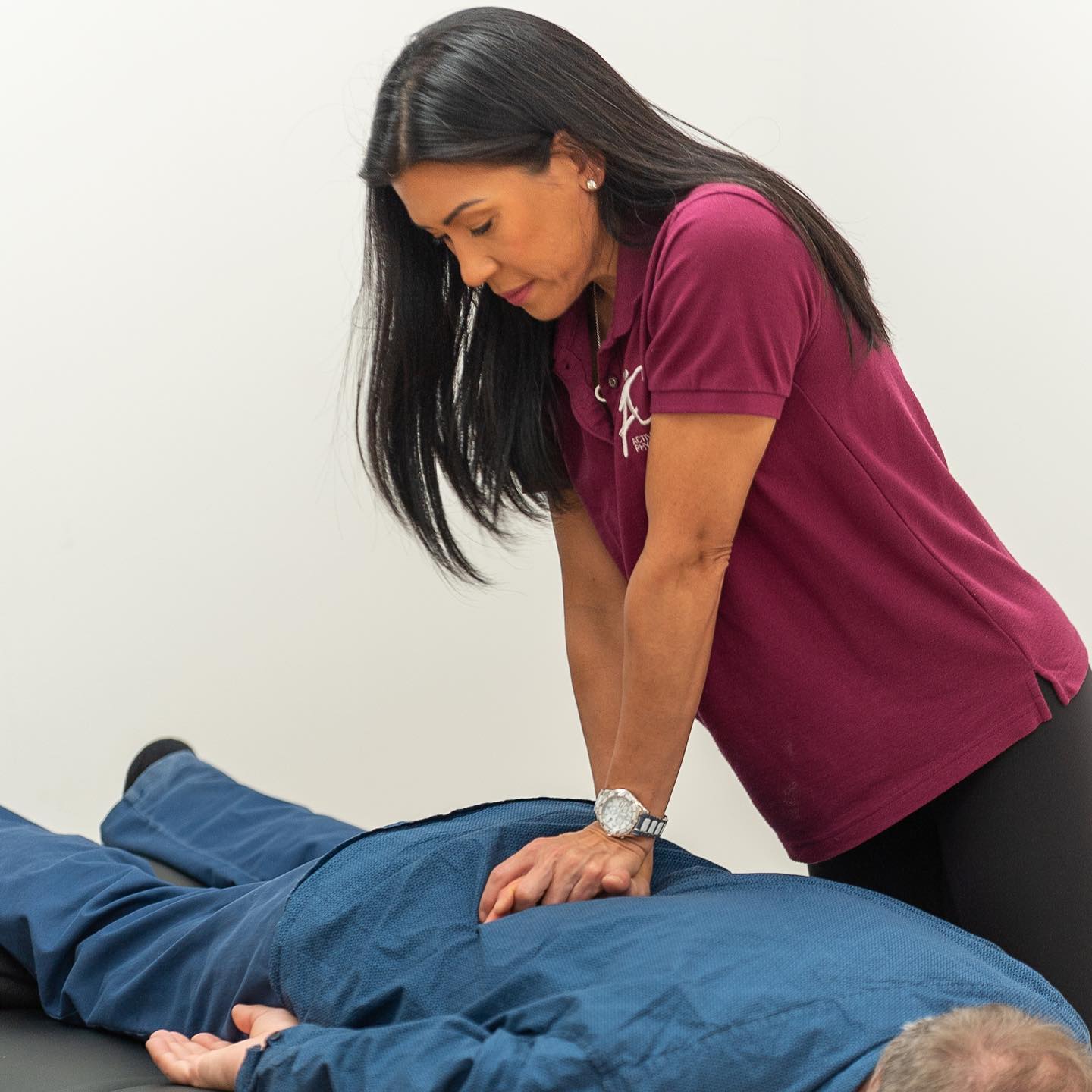
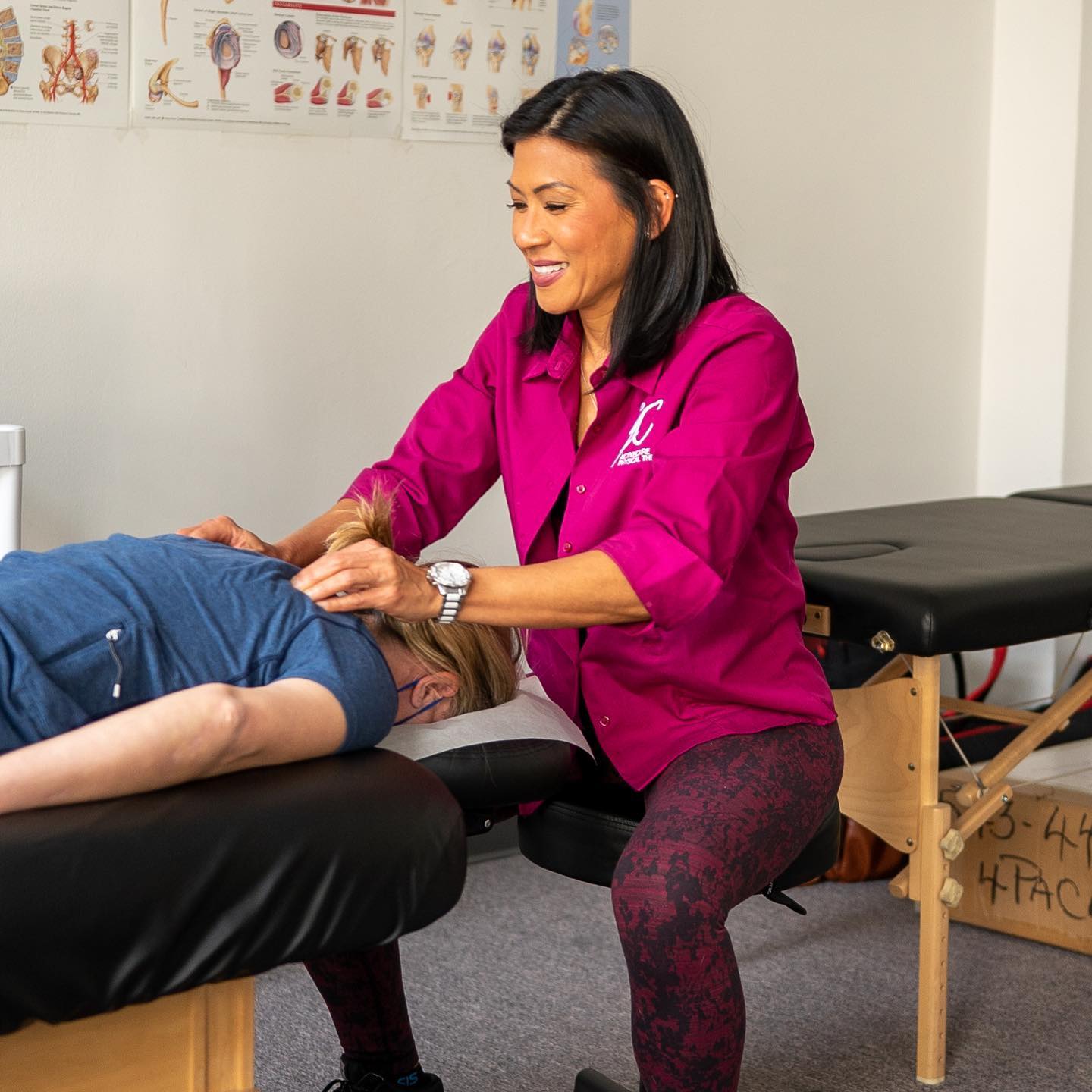
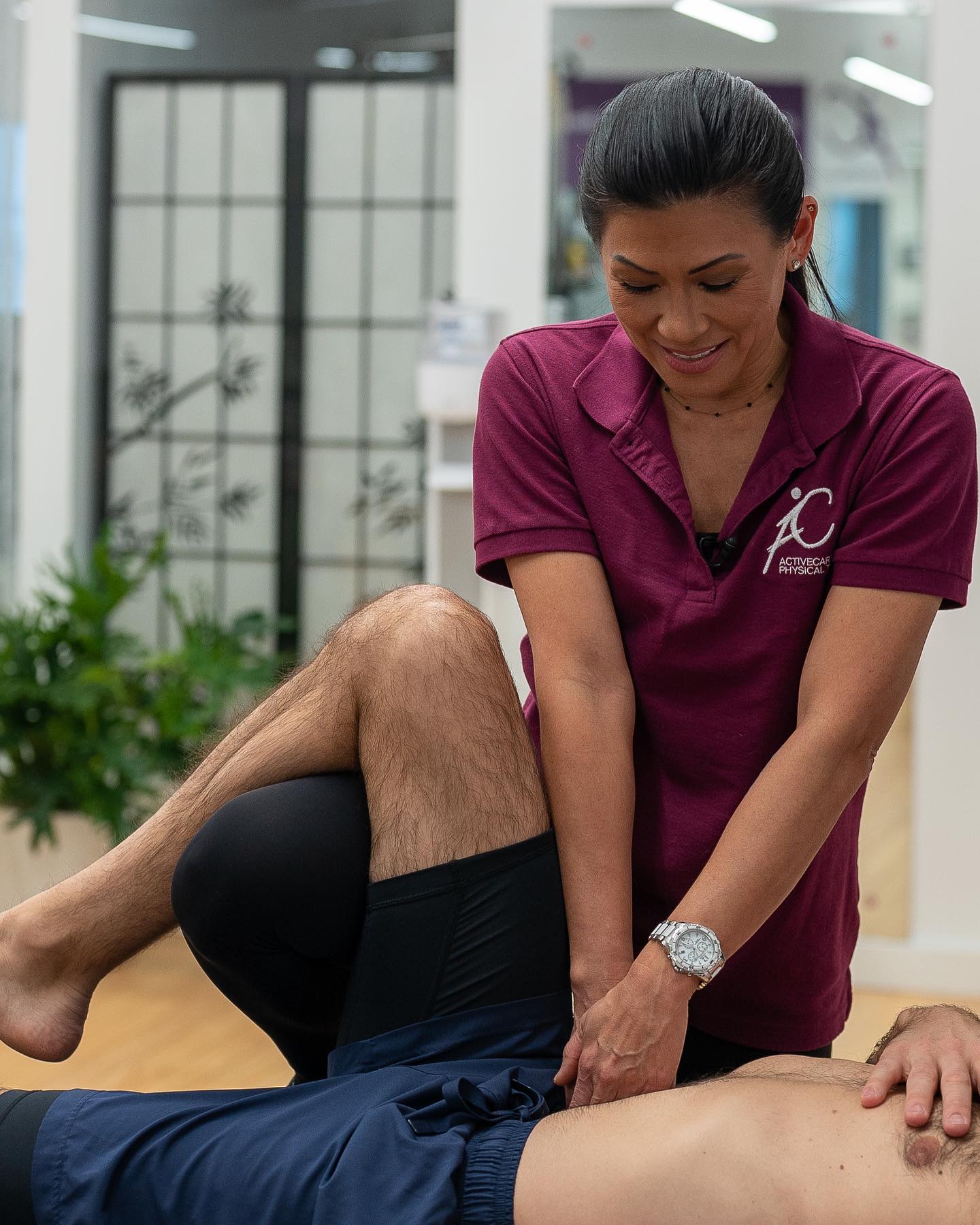
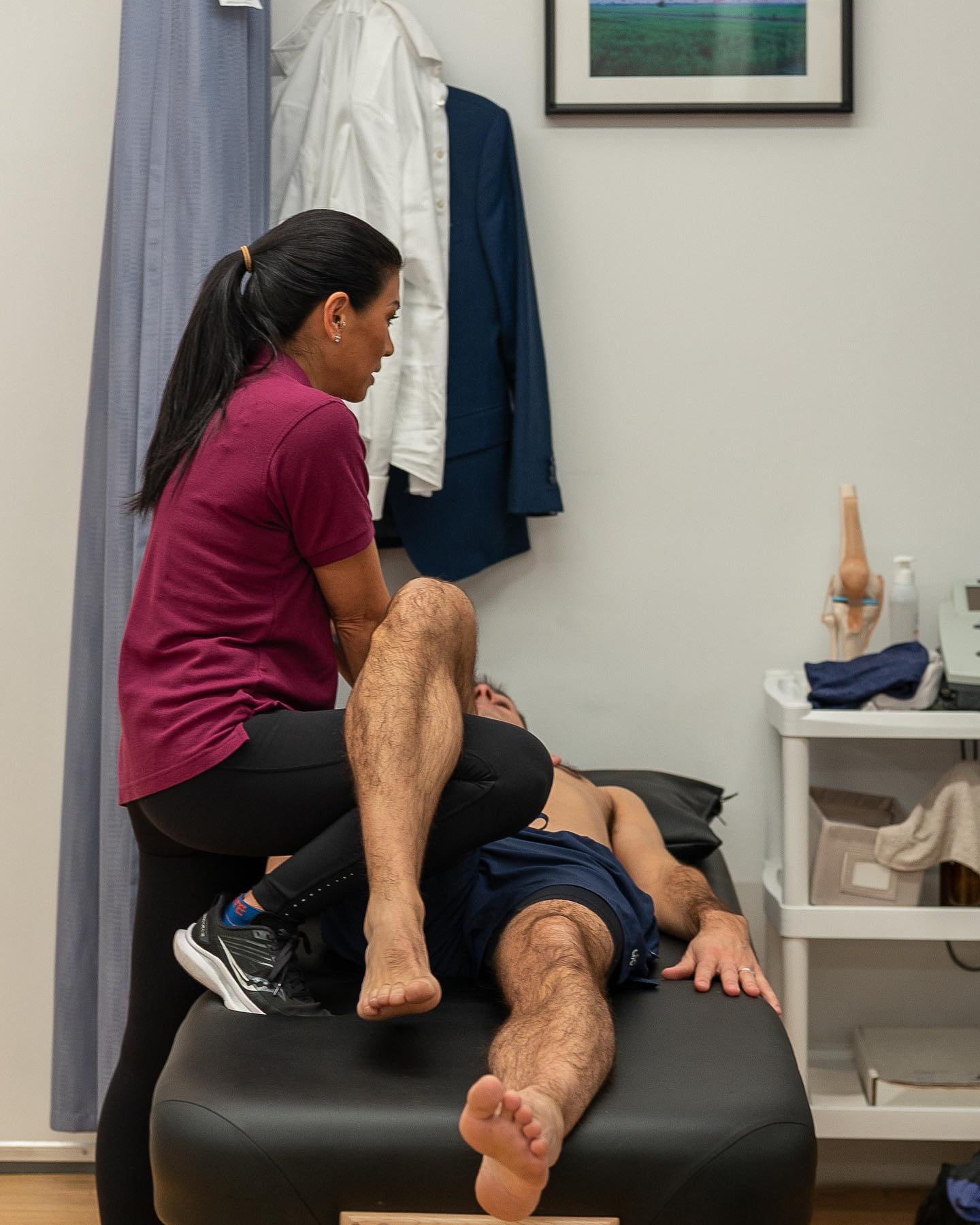
At ActiveCare, the goal is to connect those findings rather than attach every symptom to a single tight muscle or joint. We may test a movement that brings on your familiar symptoms, address a likely contributing factor, and then retest. What changes — or does not change — helps guide the next step.
How can physical therapy help?
Treatment may include activity modification, hands-on care when mobility restrictions are relevant, progressive rotator cuff and scapular strengthening, movement retraining, and a graded return to lifting, reaching, sport, or work. Treatment should match what the evaluation shows and progress as movement, strength, and load tolerance change.
Treatment is individualized to what the evaluation shows. Hands-on care may be useful when joint or soft-tissue restrictions are limiting movement, while targeted exercise is used to rebuild the mobility, strength, control, and confidence needed for daily life, work, or sport.
When should you seek medical care?
Seek medical evaluation after major trauma, a dislocation, sudden inability to raise the arm, pronounced weakness, visible deformity, progressive neurologic symptoms, or severe pain that is not behaving like a typical musculoskeletal problem. The goal is to choose the right next step for the symptom pattern rather than forcing the same plan for everyone.
If the same pain keeps coming back, the sore spot is only the first clue. The more useful question is: what is making this movement hard right now? That is the question a whole-body assessment is designed to answer.
More questions patients ask
How do I know if this is a mild injury or something more serious?
Severity is not determined by pain alone. A larger loss of motion or strength, significant swelling or bruising, inability to use the area normally, a clear traumatic event, or symptoms that are getting worse rather than settling are all reasons to be assessed. The pattern matters more than any single symptom.
Should I rest it completely or keep moving?
Usually, the useful middle ground is relative rest: temporarily reduce the movement or load that clearly aggravates the tissue while keeping the rest of your body moving comfortably. Too much rest can make return harder; too much load too soon can keep the area irritated.
How long does recovery usually take?
There is no honest one-size-fits-all timeline. Recovery depends on the tissue involved, the severity of the injury, your baseline strength and mobility, and what you need to return to. A good rehab plan progresses by function and load tolerance, not by the calendar alone.
What makes the same injury keep coming back?
Recurrence often has more than one contributor: returning to full load too quickly, strength or control that has not caught up, limited mobility elsewhere, fatigue, or a training pattern that keeps overloading the same tissue. That is why a repeat injury deserves more than another round of rest.
What does Dr. Wu pay attention to in the room?
Dr. Karena Wu, PT, DPT, OCS, FAAOMPT, has been practicing physical therapy since 2000. Her clinical question is usually simple: what can we change, and does that change your familiar symptom or movement? She uses a test-treat-retest approach identify a familiar symptom or movement, address the most plausible contributing factor, and reassess. The point is to let the patient’s response guide the next decision rather than relying on a standard protocol.
How would ActiveCare look at this?
At ActiveCare Physical Therapy in Midtown Manhattan, we would not reduce rotator cuff injuries to one tight muscle, one weak muscle, or one image on a scan. The ACTIVECARE Method™ starts with the symptom you recognize, looks at the connected regions that are clinically relevant, and uses test-treat-retest reasoning to see what actually changes. From there, hands-on care, movement retraining, strength, and education are used selectively – not as a checklist, but because they fit what your body is showing us.
Schedule an Evaluation
If rotator cuff injuries is changing how you work, train, sleep, travel, or move through the day, you do not have to keep guessing at it. Schedule an Evaluation with ActiveCare Physical Therapy in Midtown Manhattan for a more thoughtful look at what is driving the problem and what to work on next.