





Arthritis can make movement feel unpredictable: stiff after sitting, sore after a busy day, or hesitant because you are not sure how much is safe. The diagnosis matters, but so does how your specific joints are moving and what you want to keep doing. A diagnosis gives the problem a name. It does not automatically tell us what your body needs today. The useful part is finding the movements, loads, and contributing factors that are actually relevant to you.
What is arthritis?
“Arthritis” is an umbrella term. Osteoarthritis involves changes within a joint over time; inflammatory forms such as rheumatoid or psoriatic arthritis involve systemic immune processes and require medical management. Symptoms, precautions, and treatment priorities can therefore be very different.
A diagnosis is useful, but it is not the whole story. Two people with the same diagnosis can move very differently, which is why the plan has to come from what your body is actually doing—not the label alone.
When can physical therapy help with this problem?
For many people, physical therapy can support joint mobility, muscle strength, balance, walking, and confidence with activity. The plan should respect irritability and medical status while building enough capacity for the tasks that matter.
Why does ActiveCare look beyond the painful area?
A painful knee may be influenced by hip strength, ankle mobility, foot mechanics, and walking strategy. An arthritic shoulder may be affected by thoracic motion and scapular control. We look at those connections without implying that arthritis can simply be “corrected” by changing posture.
At ActiveCare, we use clinical reasoning to decide which findings are meaningful. We may assess a familiar movement, address a contributing factor, and then reassess. Your response helps us refine the plan rather than assuming every limitation needs the same treatment.
What can you do between physical therapy visits?
Regular movement is usually easier to tolerate when it is scaled to your current capacity. Short, repeatable bouts can be more useful than an occasional session that leaves you unable to recover.
When should you seek medical evaluation?
Seek medical evaluation for a hot, markedly swollen joint; fever; sudden inability to bear weight; unexplained systemic symptoms; a new traumatic injury; or an inflammatory flare that is different from your usual pattern. The goal is to choose the right next step for the symptom pattern rather than forcing the same plan for everyone.
The goal is not a “perfect” body or a countdown to being fixed. It is to make the things you actually care about—working, walking, training, sleeping, traveling, getting through the day—feel easier and more trustworthy.
More questions patients ask
What can make this type of pain feel worse?
Pain often becomes more noticeable when a sensitive structure is repeatedly loaded without enough recovery, when movement options are limited, or when the body starts compensating around the problem. Sleep, stress, activity changes, and a sudden jump in workload can also change how symptoms behave.
When is pain a sign that I should get checked instead of waiting it out?
Pain that is severe, rapidly worsening, associated with major trauma, fever, unexplained swelling, progressive weakness or numbness, changes in bowel or bladder function, chest pain, or other unusual systemic symptoms deserves prompt medical attention. For persistent but non-urgent pain, an evaluation can help clarify what is driving it.
Can physical therapy help even if imaging shows a diagnosis?
Yes, when physical therapy is appropriate for the condition. Imaging can identify structural findings, but it does not tell us exactly how you move, which tasks provoke symptoms, what strength or mobility deficits are present, or which findings are actually modifiable. Those details shape the rehabilitation plan.
What if the painful spot is not the whole problem?
That is common in musculoskeletal care. The sore area still matters, but nearby joints, the spine, the pelvis, the foot, or movement habits can change how much load reaches it. The useful question is whether addressing one of those contributors changes the familiar movement or symptom on retest.
What does Dr. Wu pay attention to in the room?
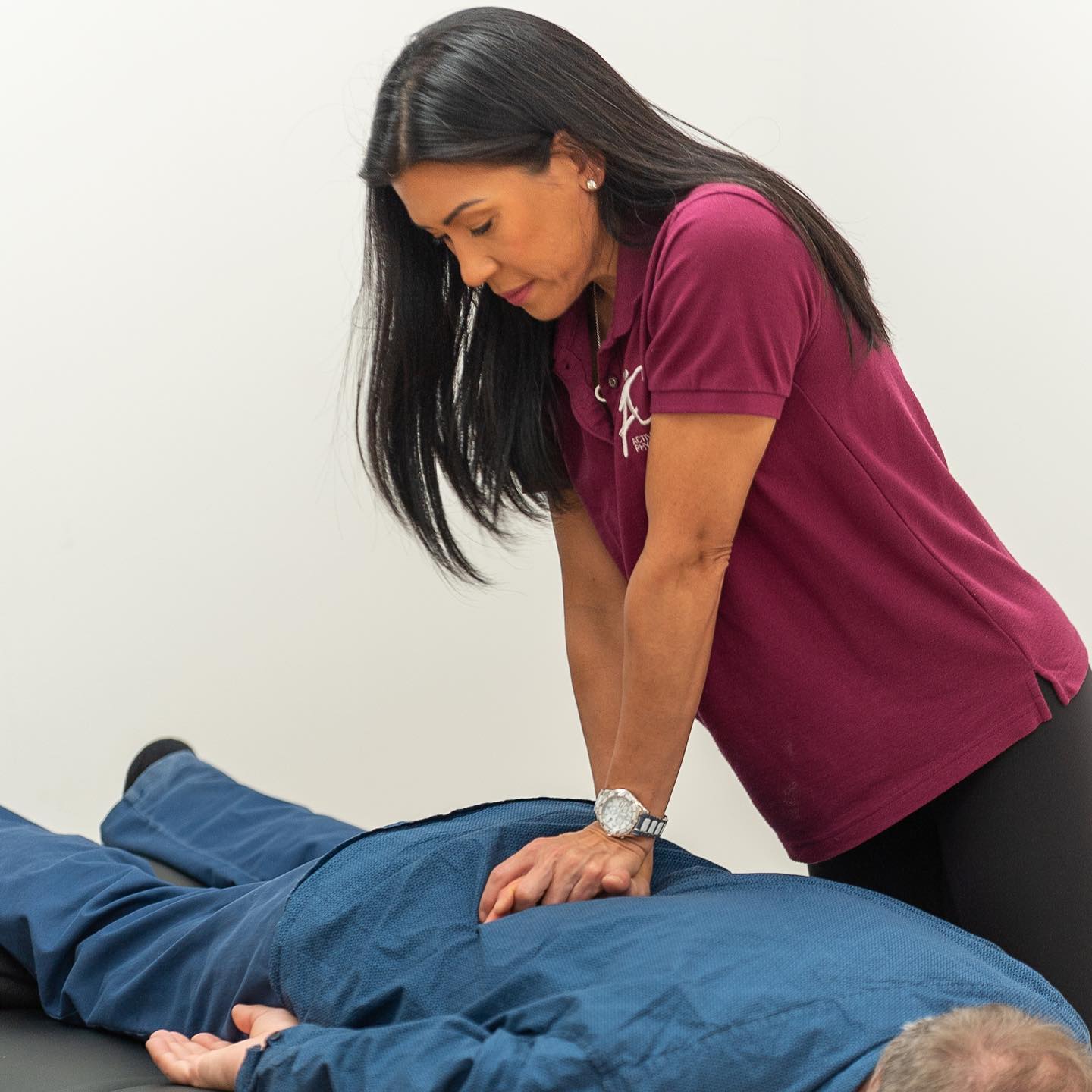
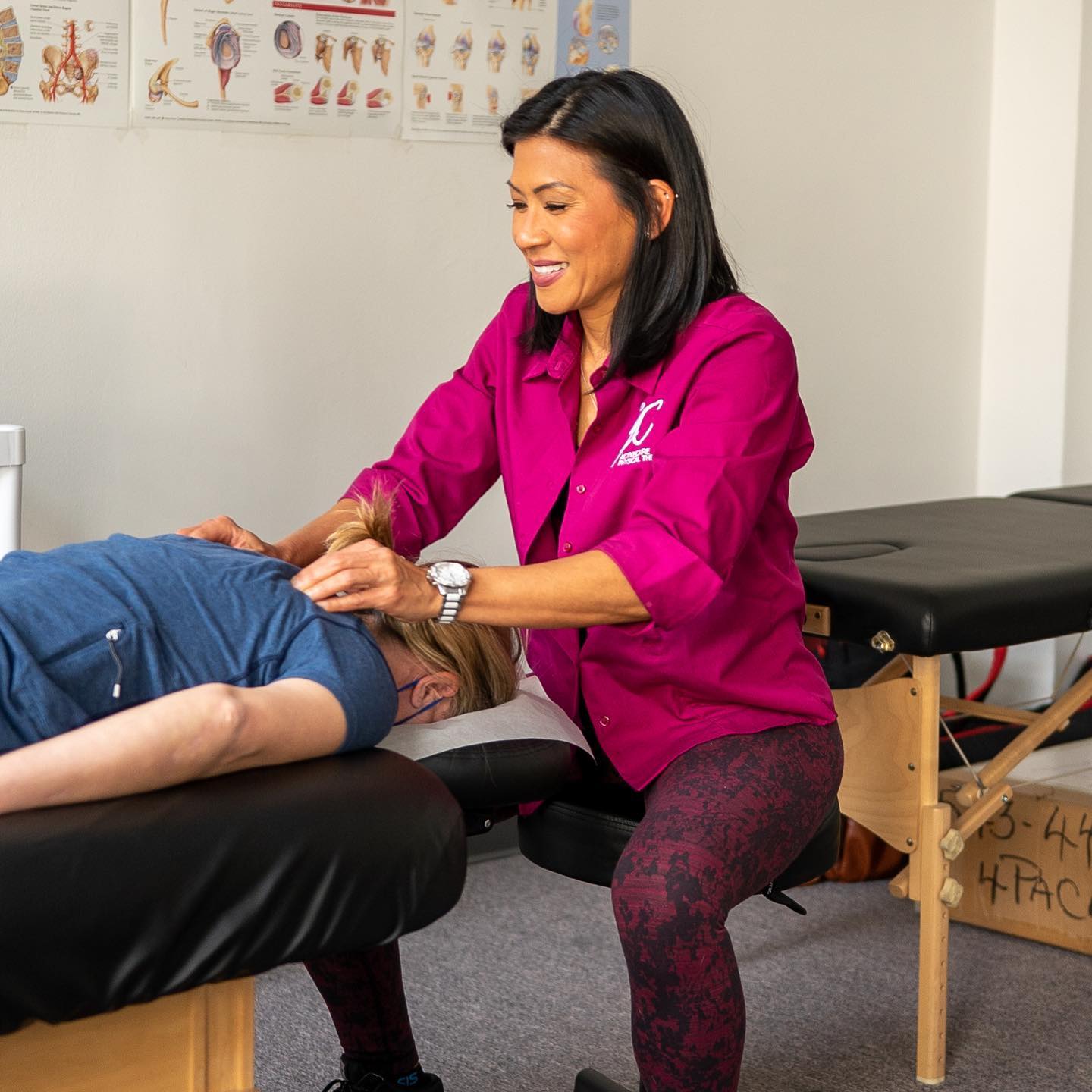
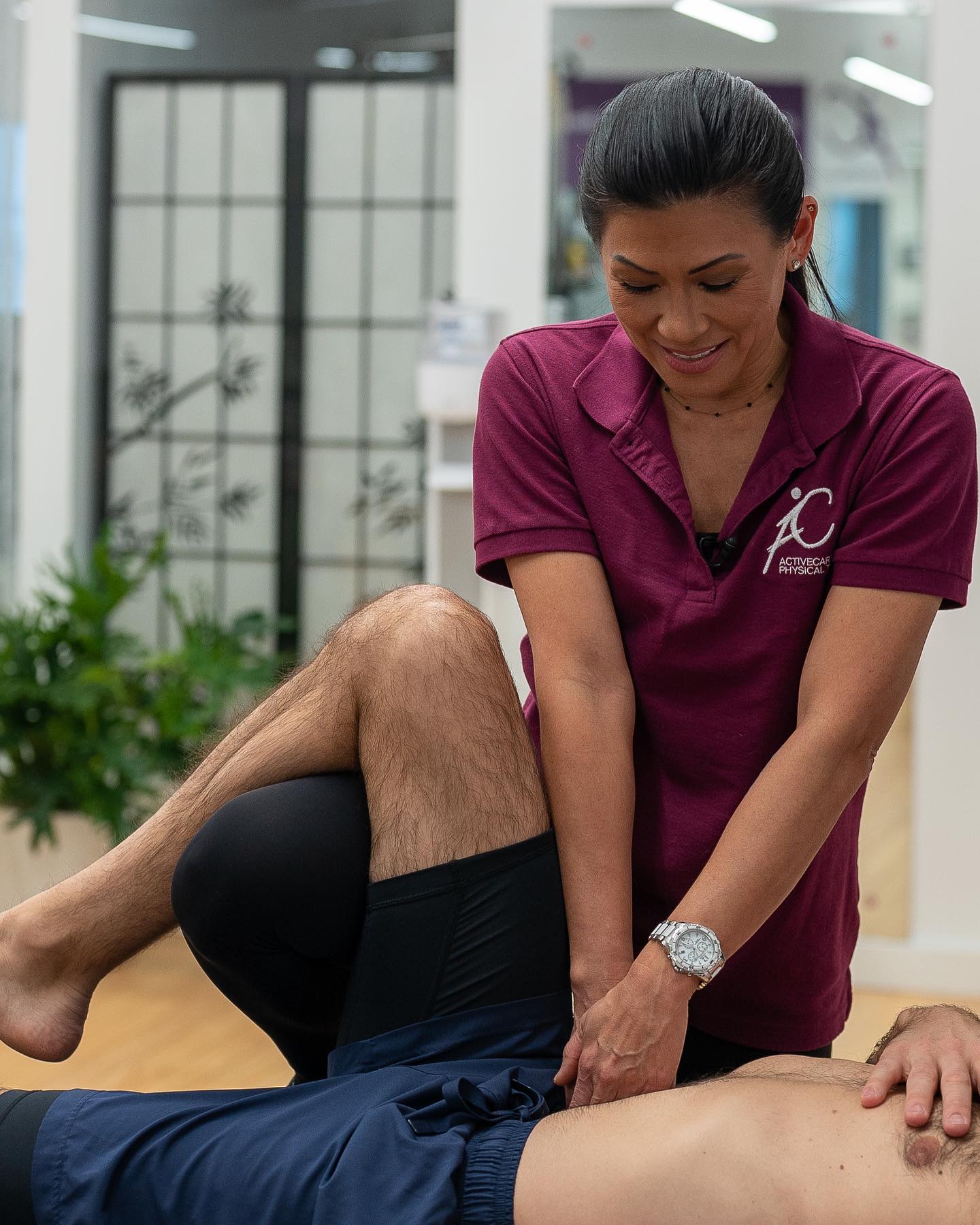
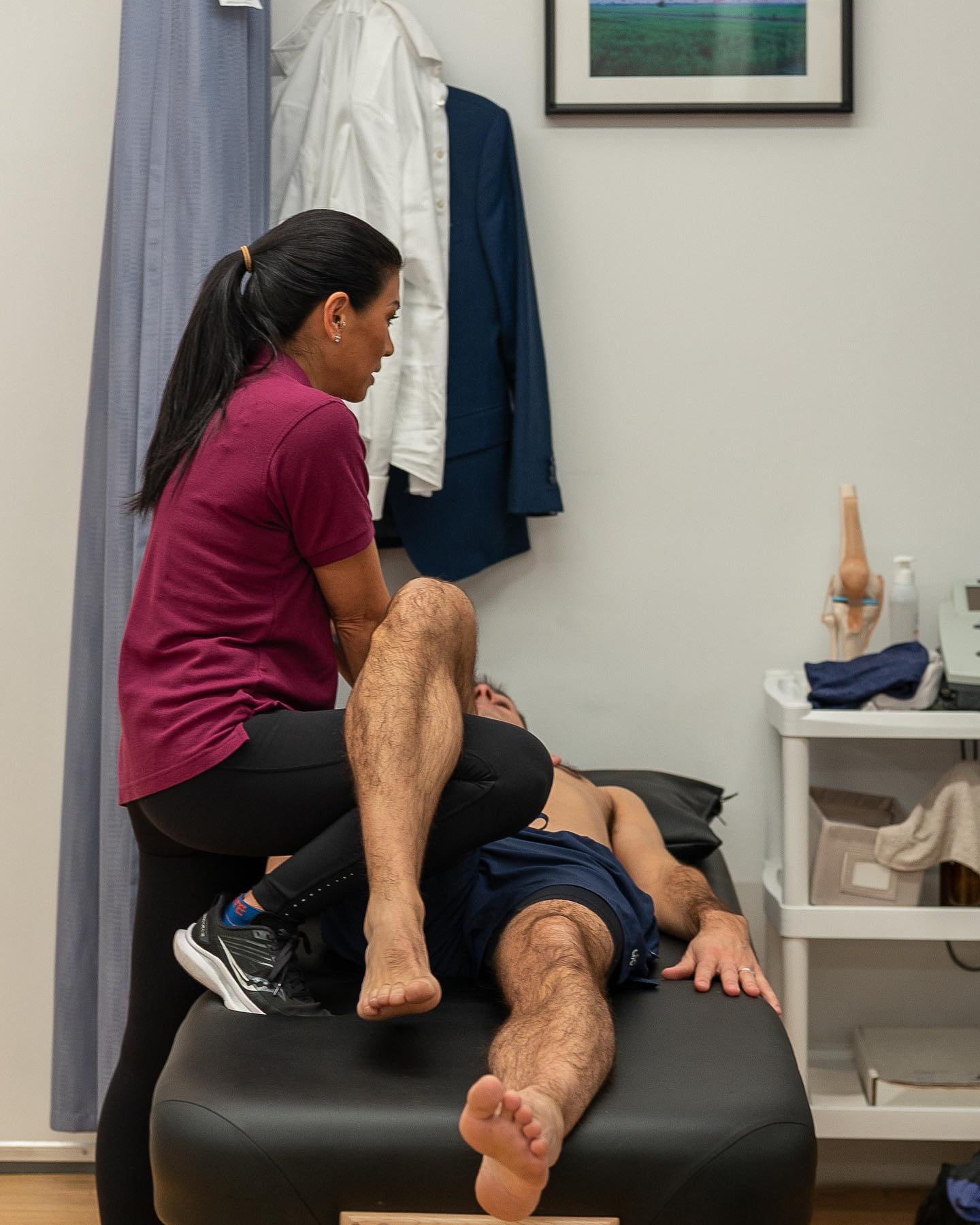
Dr. Karena Wu, PT, DPT, OCS, FAAOMPT, has been practicing physical therapy since 2000. In the treatment room, for arthritis and physical therapy, Dr. Wu starts by identifying which part of the presentation is actually modifiable with physical therapy and which findings need medical coordination. She then follows the familiar symptom or movement, treats a plausible contributing factor, and reassesses to see whether the clinical hypothesis holds up.
How would ActiveCare look at this?
At ActiveCare Physical Therapy in Midtown Manhattan, we would not reduce arthritis and physical therapy to one tight muscle, one weak muscle, or one image on a scan. The ACTIVECARE Method™ starts with the symptom you recognize, looks at the connected regions that are clinically relevant, and uses test-treat-retest reasoning to see what actually changes. From there, hands-on care, movement retraining, strength, and education are used selectively – not as a checklist, but because they fit what your body is showing us.
Schedule an Evaluation
If arthritis and physical therapy is changing how you work, train, sleep, travel, or move through the day, you do not have to keep guessing at it. Schedule an Evaluation with ActiveCare Physical Therapy in Midtown Manhattan for a more thoughtful look at what is driving the problem and what to work on next.