
ABOUT US |
PRESS
|
REVIEWS
|

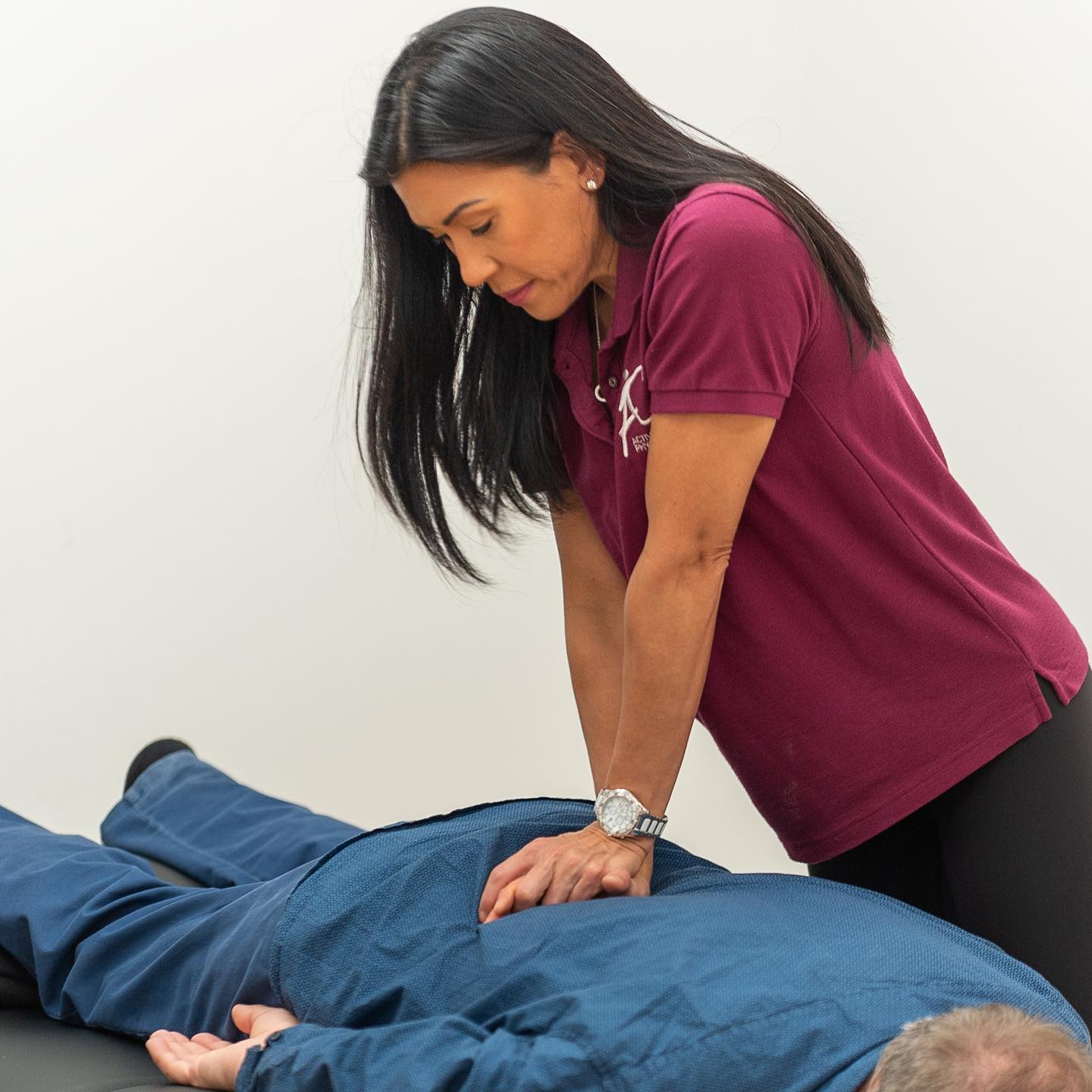
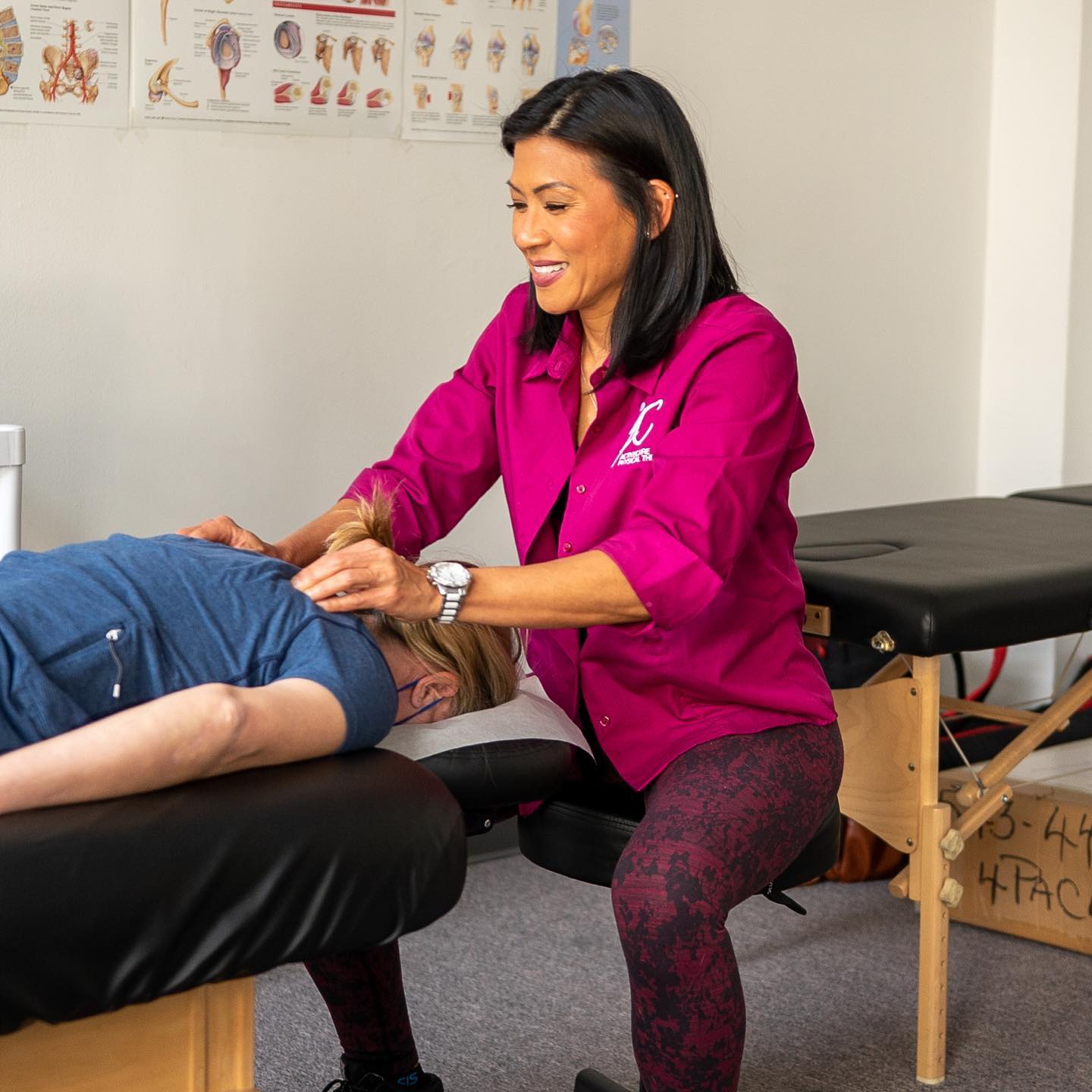



Back Injuries
Thoracic Spine Injury
The thoracic spine consists of 12 thoracic vertebrae (spinal bones). The ribs, which contain the lungs have direct connections to each vertebra. Movement in the thoracic spine is limited secondary to the ribs but is still necessary in order for the trunk to fully move in all directions.
Lumbar Spine Injury
The lumbar spine consists of 5 vertebrae (spinal bones). Each vertebra can move slightly independently of each other to allow for full range of motion of the lumbar spine. Motion in the lumbar spine allows for the head and shoulders to be placed in space.
Cervical Spine Injury
The cervical spine consists of 7 cervical vertebrae. The function of the cervical vertebrae is to support the head and place the head in space. Each vertebra (spinal bone) has the ability to move slightly independently of each other during movement. If there are restrictions at a particular level, the result will be a loss of motion in the neck.
ActiveCare Physical Therapy is a participating member of the Hospital for Special Surgery Rehabilitation Network. Learn more about Hospital for Special Surgery, the #1 hospital in the world in orthopedics.


|

|
.jpg)
To Opt-out of receiving all future correspondense from ActiveCare Physical Therapy Click Here